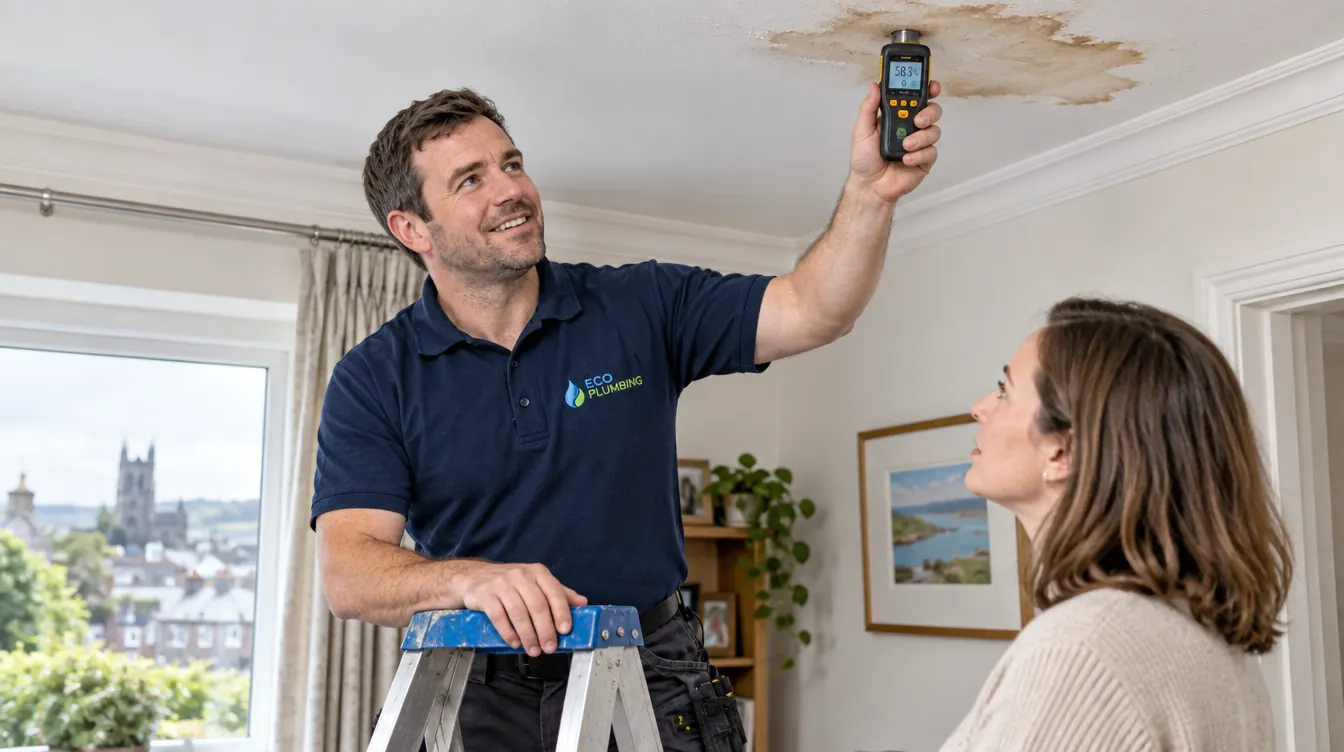
Burst Pipe in Galway? 7 Things to Do Before the Plumber Arrives
Water pouring through the ceiling at midnight? Here's exactly what to do in the first ten minutes to protect your home — from finding the stopcock to what to tell the plumber.
 John, Eco Plumbing GalwayEmergency plumber, Galway
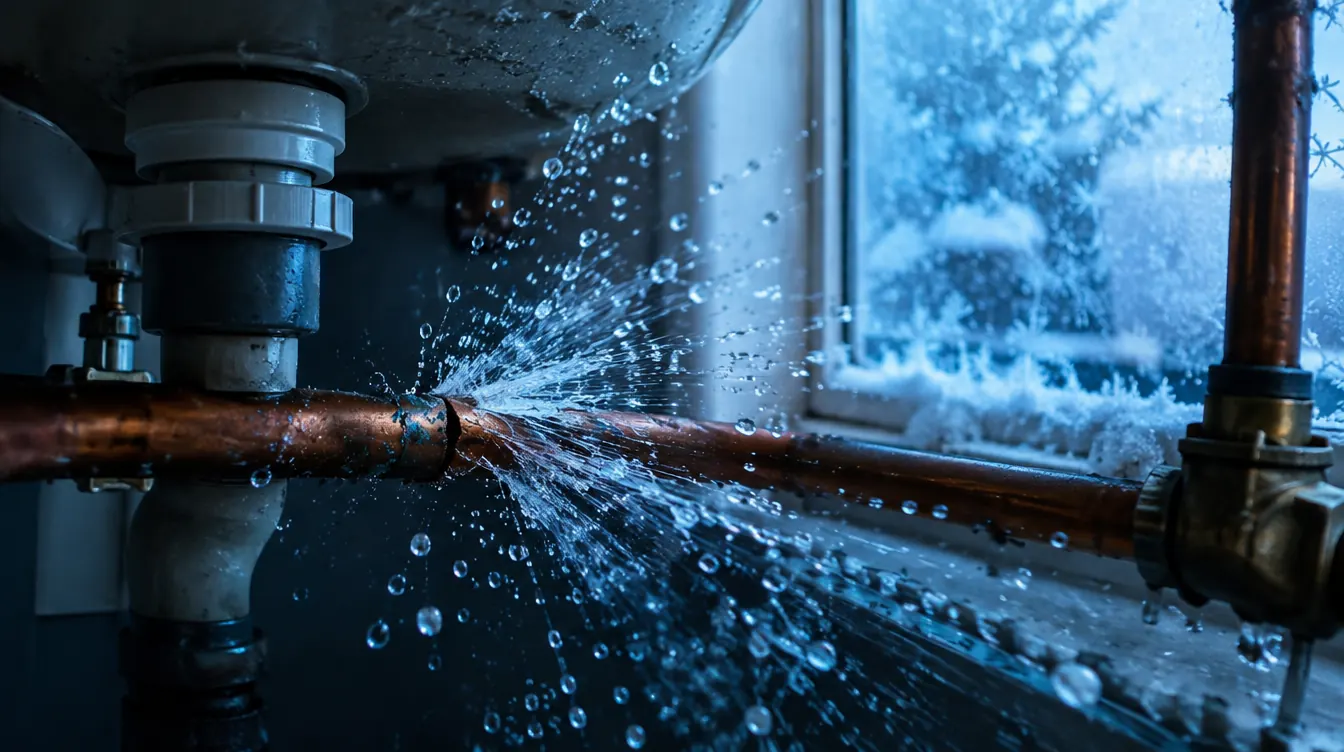
A burst pipe is one of the most stressful things that can happen in a house. Water moves fast, ceilings get heavy, and every minute costs money. The good news: what you do in the first ten minutes matters more than anything else, and none of it needs tools.
We’ve been called out to burst pipes all over Galway — Saturday nights, Sunday afternoons, St. Patrick’s Day. These are the steps we talk customers through on the phone while we’re on the way.
1. Turn off the stopcock
This is the single most important step. The stopcock (also called the stop tap or mains valve) shuts off the water coming into your house.
- Where to look first: under the kitchen sink. That’s where it is in most Irish homes.
- Older houses: check the hot press, the utility room, or where the water pipe comes up through the floor.
- Which way: turn it clockwise until it stops. If it’s stiff, use a cloth for grip — don’t force it with a wrench.
Can’t find it? There’s also an outside stopcock, usually under a small cover in the footpath or at the edge of your property. Ring us and we’ll talk you through it.
2. Switch off the heating and immersion
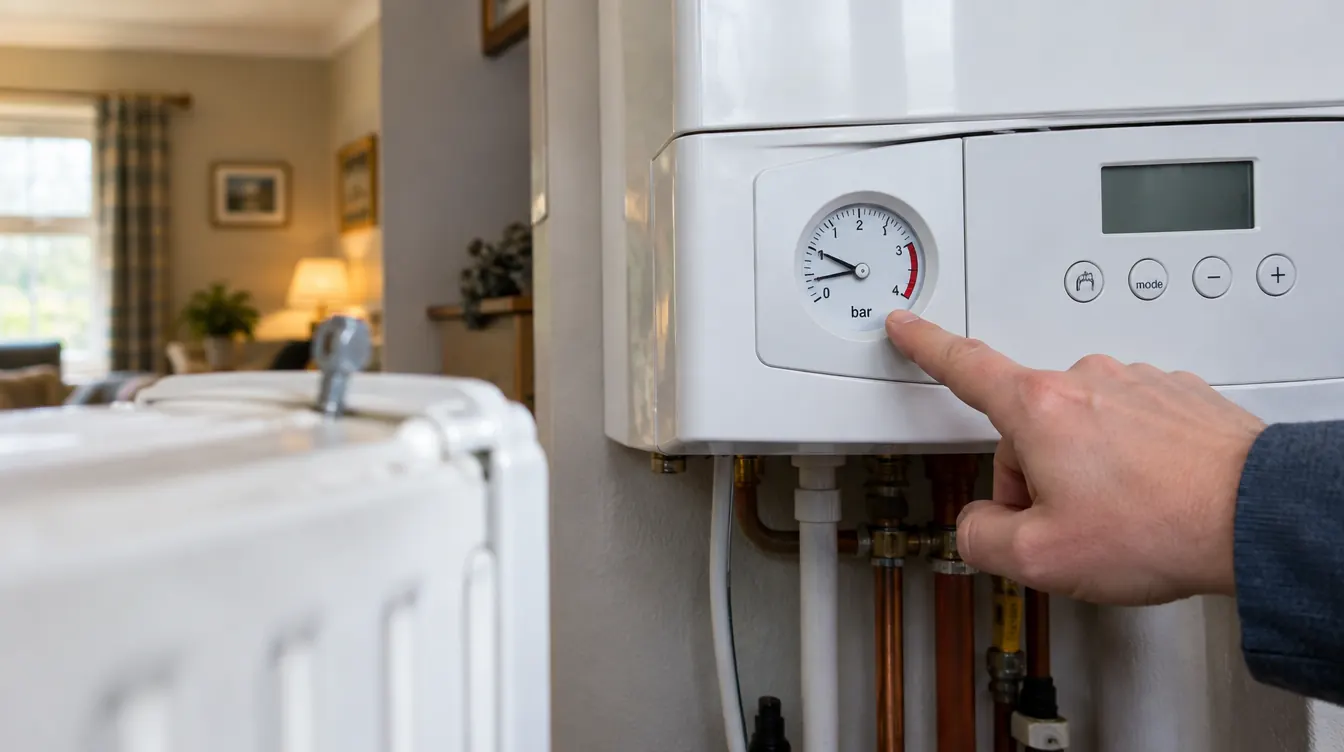
With the mains off, your boiler and immersion can run dry and damage themselves. Turn the boiler off at the switch and flick the immersion off too.
3. Keep water away from electrics
If water is coming through a ceiling near a light fitting, or pooling near sockets, switch off that circuit at the fuse board. If you’re not sure which circuit, switch off the main switch. Don’t touch anything electrical while standing in water.
4. Drain the system
Open all the cold taps in the house and flush the toilets. This empties the water still sitting in the pipes, so less of it ends up in your ceiling. Once the cold is draining, open the hot taps as well.
5. Catch the water and save what you can
- Put buckets, basins or bins under drips.
- If a ceiling is bulging with water, a small hole in the lowest point (with a bucket underneath) lets it drain in a controlled way instead of collapsing. Only do this if you feel safe to.
- Move furniture, rugs and electronics out of the way.
6. Take photos
Photograph the damage before you start cleaning. Your home insurer will almost certainly ask for them, and it helps us see the problem before we arrive.
7. Call a plumber — and tell them the right things
When you ring, it helps to say:
- Where the water is coming from (ceiling, under a sink, outside wall).
- Whether you’ve managed to turn off the stopcock.
- Whether the pipe is copper or plastic, if you can see it.
- Your area — so we can give you an honest arrival time.
Why do pipes burst in Galway?
The biggest cause is freezing. When water freezes it expands, and a pipe in a cold attic, garage or outside wall can split. The damage often only shows when the thaw comes and water starts flowing again. Other causes include old compression joints giving way, corrosion in older copper, and high water pressure.
Most of the burst pipes we see in winter are in attics and on outside walls. A few euro of pipe insulation would have prevented them.
How to stop it happening again
- Lag pipes and tanks in the attic and any unheated spaces.
- Leave the heating on low when you’re away in cold weather.
- Know where your stopcock is — and check it turns before you need it.
- Fix drips early; a weeping joint is often a pipe about to fail.
What does an emergency callout cost?
Every job is different, but most of our customers report leak repairs and weekend callouts in the €200–€300 range on Google, with quick fixes lower and bigger repairs higher. We always tell you the price before we start.
If you’ve got water where it shouldn’t be right now, don’t wait — message us on WhatsApp at 083 369 0973 or leave your number and we’ll call you straight back.